Fokianós

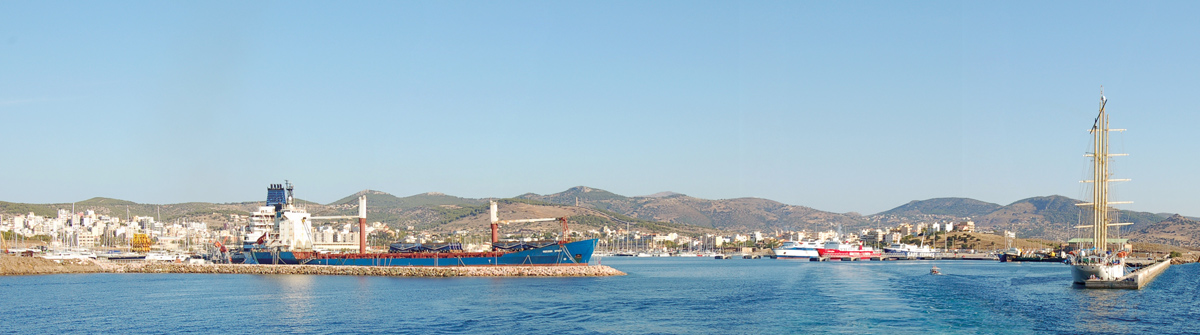
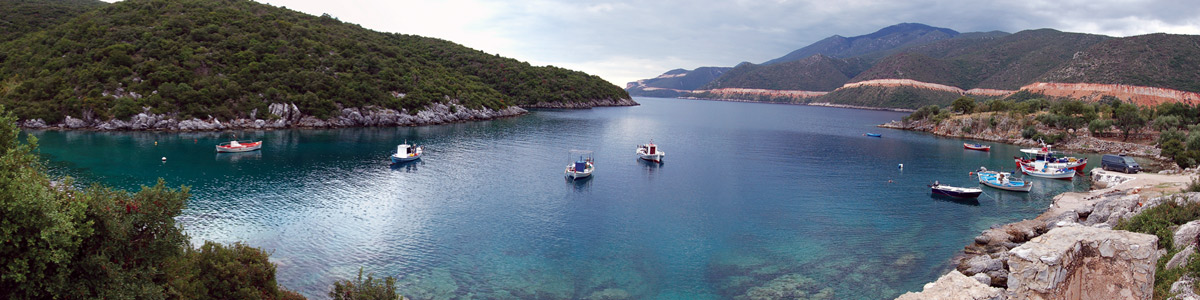
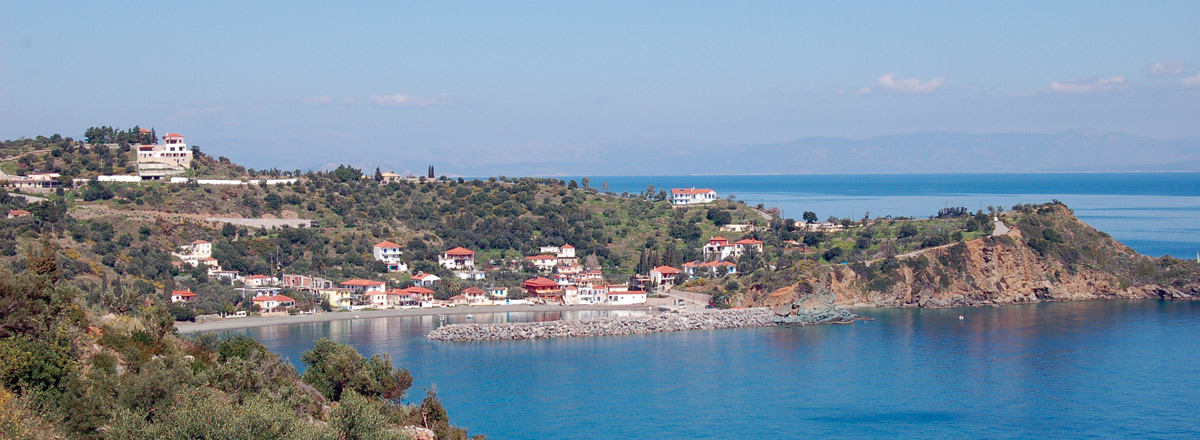
Fokianos Bay, located along the rugged and isolated coastline of the eastern Peloponnese, is one of the most distinctive natural formations of the region. Its deep indentation and natural shelter from northerly winds have long made it a safe anchorage, known to mariners navigating this exposed stretch of coast. The surrounding area did not develop…

Details
Ástros

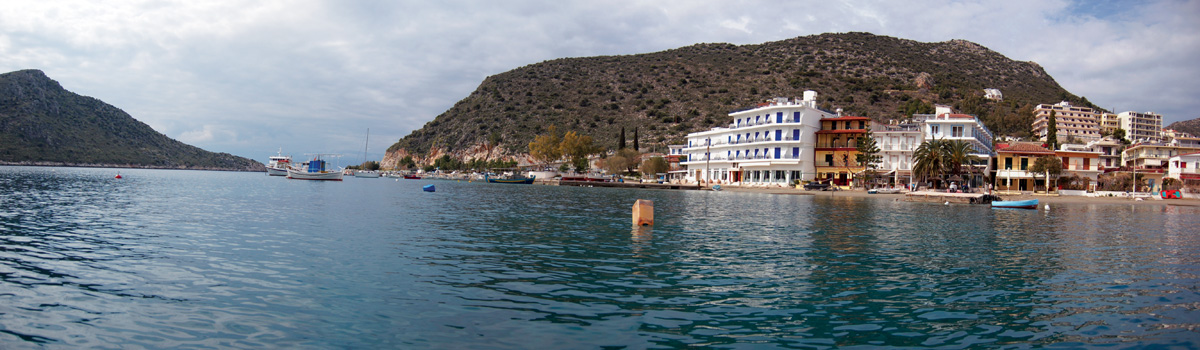
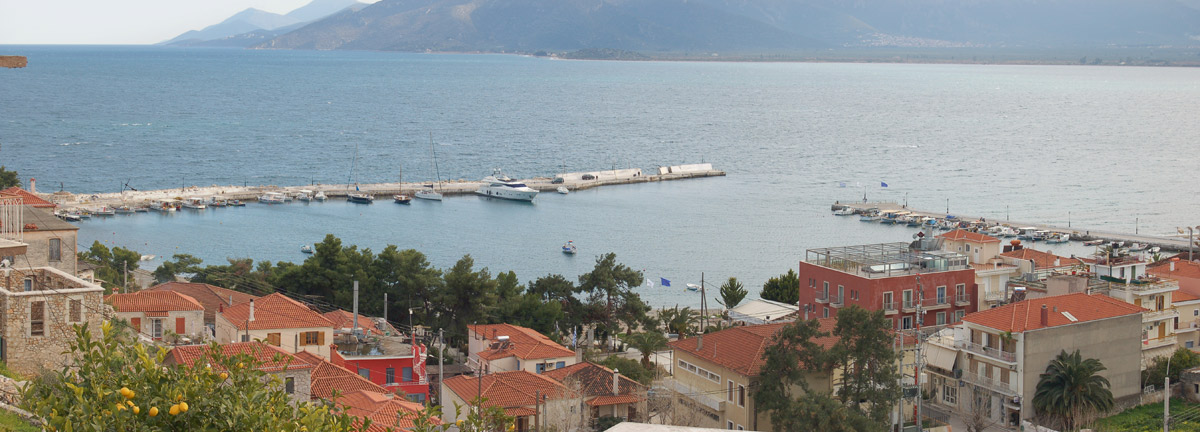
Astros, located inland along the northern coast of the Argolic Gulf, and Paralio Astros, its coastal harbour settlement, are closely connected both geographically and historically. The name of the area is most likely derived from the medieval castle that dominates the hill above the town, known as the Castle of Astros, possibly linked to the…

Details

Náfplio

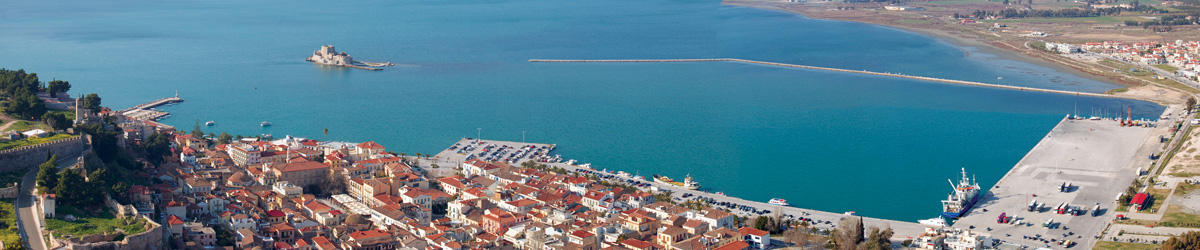
The town of Nafplio takes its name from the mythical Nauplius, son of Poseidon, a figure deeply connected with the sea and navigation. In Homeric tradition, Nauplius appears as a clever and resourceful character, moving among royal courts. According to myth, he was entrusted with eliminating unwanted women, yet instead of killing them, he helped…

Details

Toló

Tolo, one of the most developed tourist settlements along the northern coast of the Argolic Gulf, is today a well-known seaside destination, largely due to its extensive and sheltered sandy beach. Its modern development is relatively recent, as the settlement was established in the 19th century by Cretan settlers, who initially named it Minoa, reflecting…

Details

Drépano – Vivári

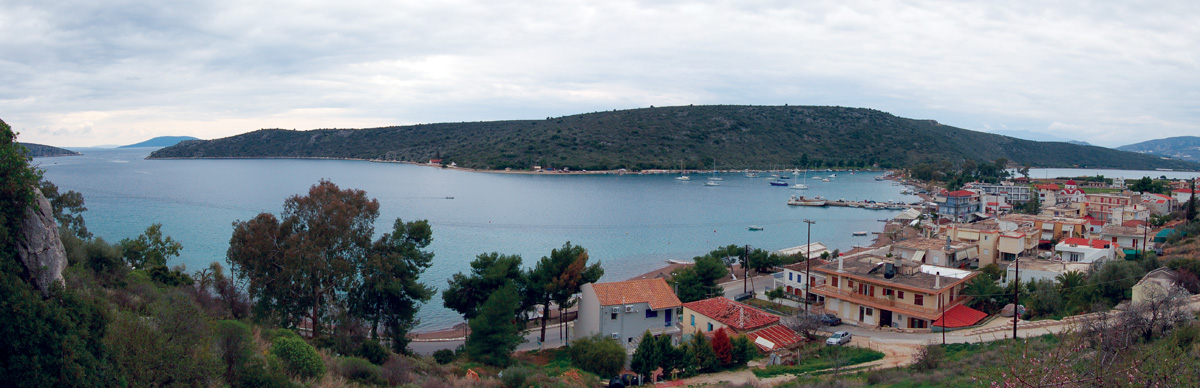
Drepano and Vivari, located along the northern coast of the Argolic Gulf, are closely connected, with Vivari serving as the natural harbour of Drepano. The area is defined by the presence of a lagoon, creating a distinctive landscape that combines maritime activity with the agricultural hinterland. The name Drepano is likely derived from the shape…

Details