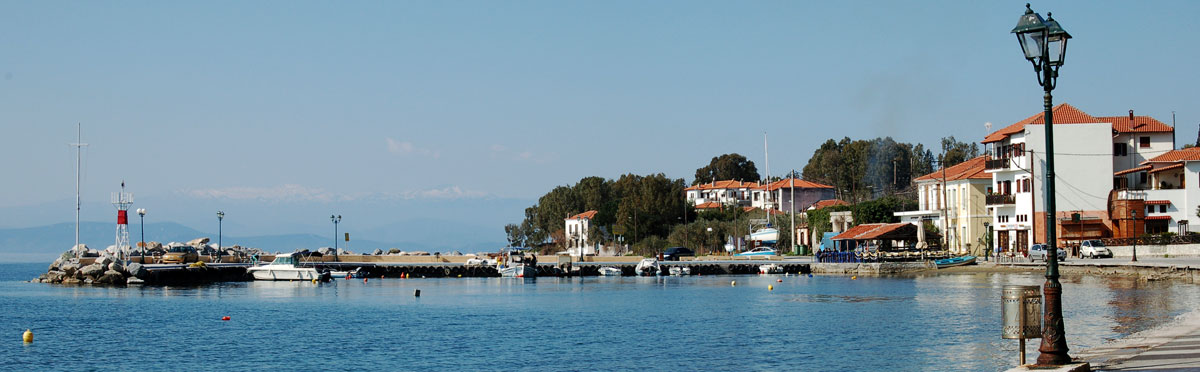
Skyros

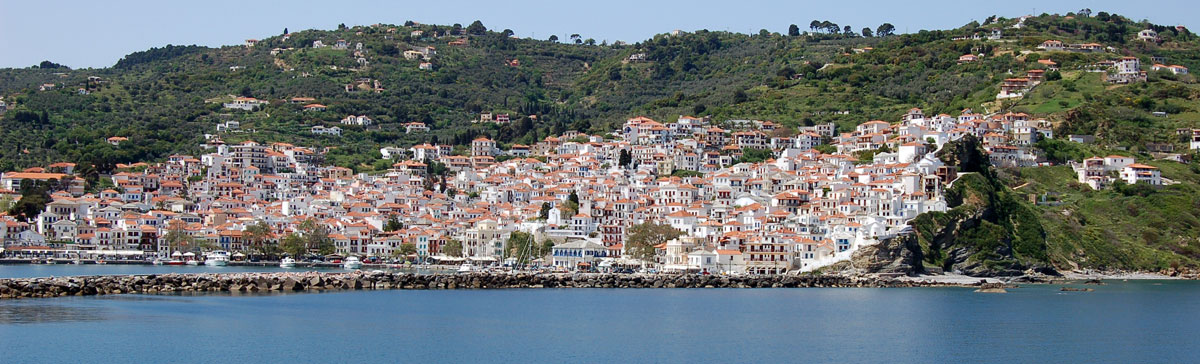
View of the town of Skyros, from NE Prehistoric Era and Early Communities Skyros shows continuous habitation from the Neolithic period (5th–3rd millennium BC), as evidenced by finds around Magazia and nearby uplands. Its position between Euboea, the Cyclades and Asia Minor placed it early within Aegean exchange networks. The presence of obsidian from Milos…

Details

Alonnisos

Returning to port Prehistoric Beginnings Alonnisos enters the historical landscape surprisingly early. Although the most famous Mesolithic sites lie on neighbouring islets, the main island shows signs of prehistoric activity from the Neolithic onward. Small-scale surveys across the south and southeast coastlines—particularly above Megalos Mourtias, Vrysitsa and near Kokkinokastro—have yielded stone tools and pottery fragments…

Details

Skopelos

View of Skopelos town, from NE The western coastline of Skopelos—stretching from Loutraki in the north to the broad, serene bay of Panormos and the sheltered inlet of Agnontas—forms a distinct historical landscape shaped by maritime life. Unlike the main urban centres of the island, which were typically positioned on elevated ground for defensive reasons,…

Details

Skiathos

Skiathos harbour, from SE Skiathos stands at the threshold between the Pagasitic Gulf and the open Aegean, a small but strategic island whose history unfolds across three millennia. Its position—close to the mainland but surrounded by deep channels—has shaped every period of its life: an accessible harbour in peaceful times, a vulnerable frontier during invasions,…

Details

Palaio Trikeri

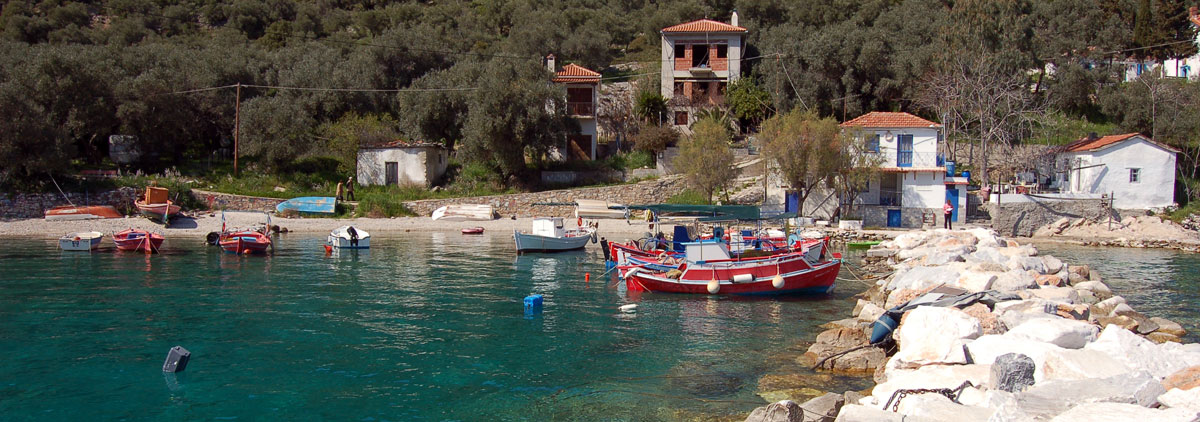
Kottes fishing harbour, Trikeri The region formed by Palaio Trikeri, the small island at the southern exit of the Pagasitic Gulf, and the mainland settlements of Trikeri and Kottes, presents a compact but historically distinctive zone shaped by maritime activity, population movements, religious life, and political upheaval. Although geographically limited, it has accumulated a layered…

Details

Milina and Argalasti

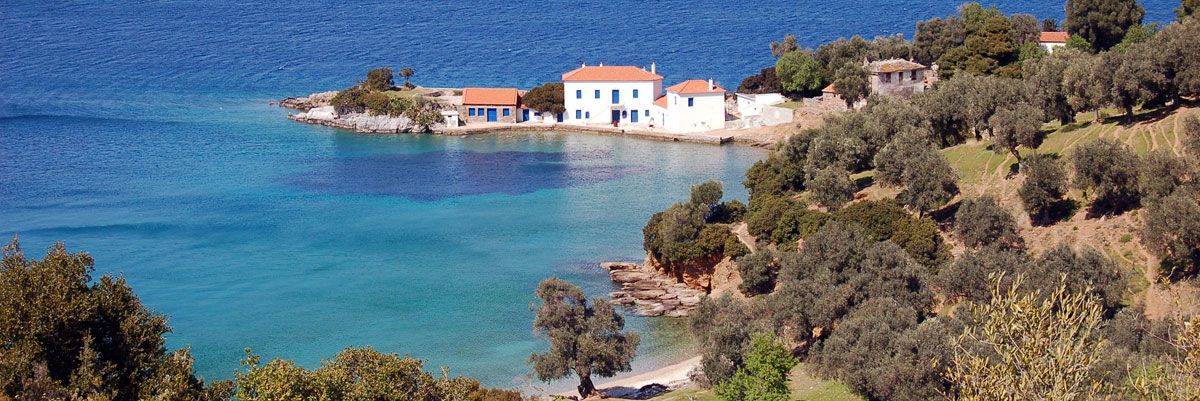
Idyllic cove The inland plateau of Argalasti and the coastal curve of Milina belong to one of the most culturally layered landscapes of Pelion. Archaeological traces around Argalasti indicate habitation as early as the 11th–10th century BC, with small rural settlements tied to the fertile interior valleys. The gentle slopes, abundant springs, and sheltered coves…

Details

Ano and Kato Gatzea

Kato Gatzea fishing harbour     The western slopes of Mount Pelion, descending gently toward the sheltered waters of the Pagasitikos Gulf, form one of the most historically layered landscapes in Thessaly. Among its most characteristic settlements are Ano and Kato Gatzea, together with the nearby villages of Vizitsa and Milies — a cluster where…

Details

Volos

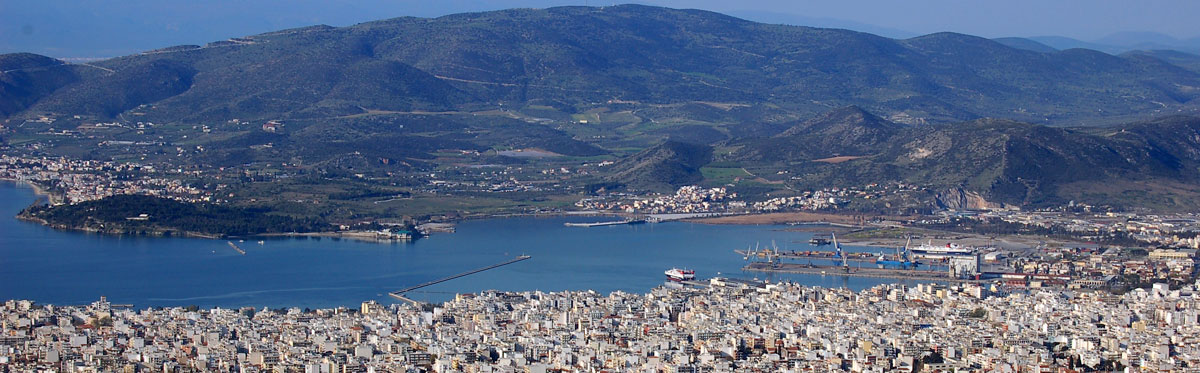
Volos and harbour, from NE Volos, stretched along the inner curve of the Pagasitikos Gulf and framed by the commanding presence of Mount Pelion, is one of Greece’s few cities whose identity has been shaped equally by myth, seafaring, industry, and catastrophic rebirth. Today its waterfront cafés and neoclassical facades suggest a relaxed Mediterranean charm,…

Details