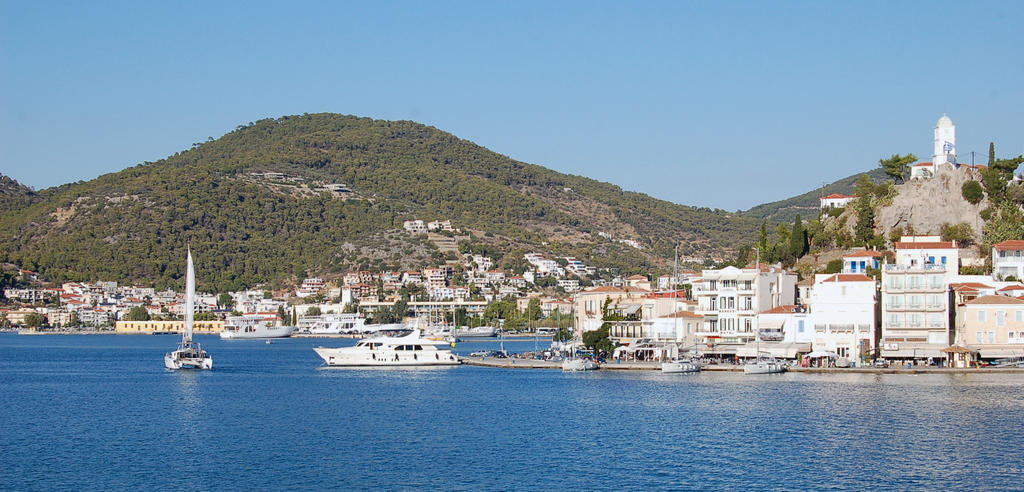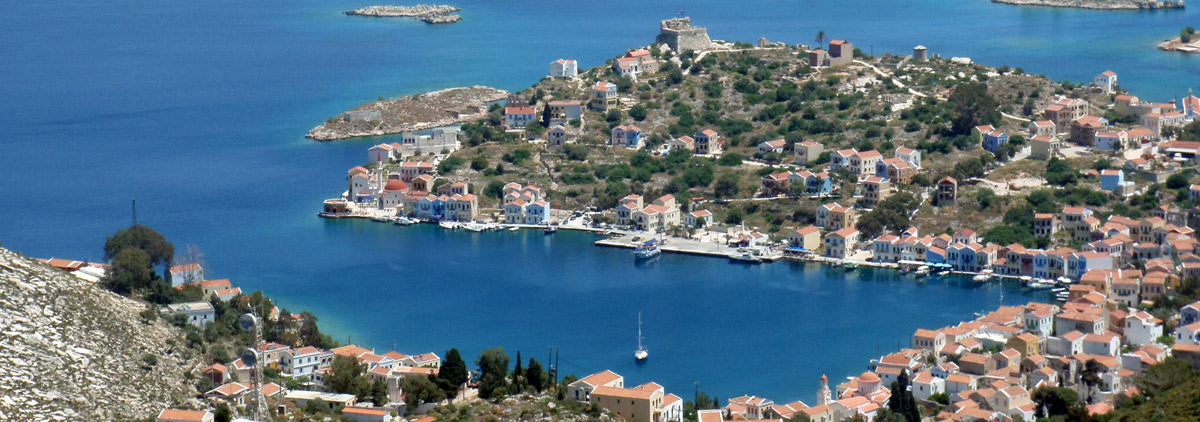
view of poros town and the harbour

Poros

The name Poros means passage or strait, an apt description of the island’s geography, as it lies separated from the Peloponnese coast by a narrow channel. In antiquity the island was known as Kalavria, a name often interpreted as “good breeze”, derived from the Greek words for beauty and breeze. Indeed, during summer the island…

Details

North Crete

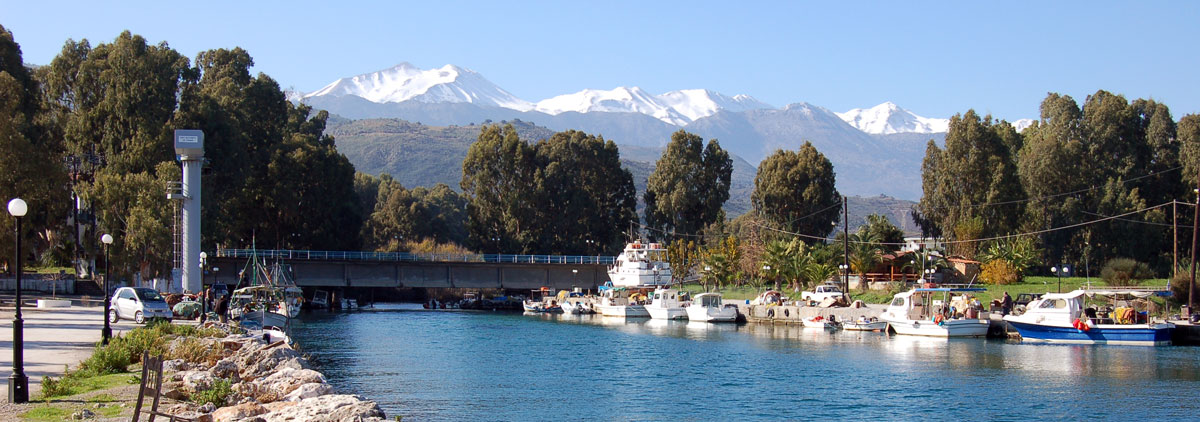
Northern Crete forms the historical spine of the island. Facing the Aegean and opening toward mainland Greece and the wider Mediterranean, this coast has, for millennia, been Crete’s principal political, economic and maritime axis. From the deep natural harbour of Souda to the shores of Hersonissos, the northern littoral has witnessed the rise of palatial…

Details

Eastern Crete

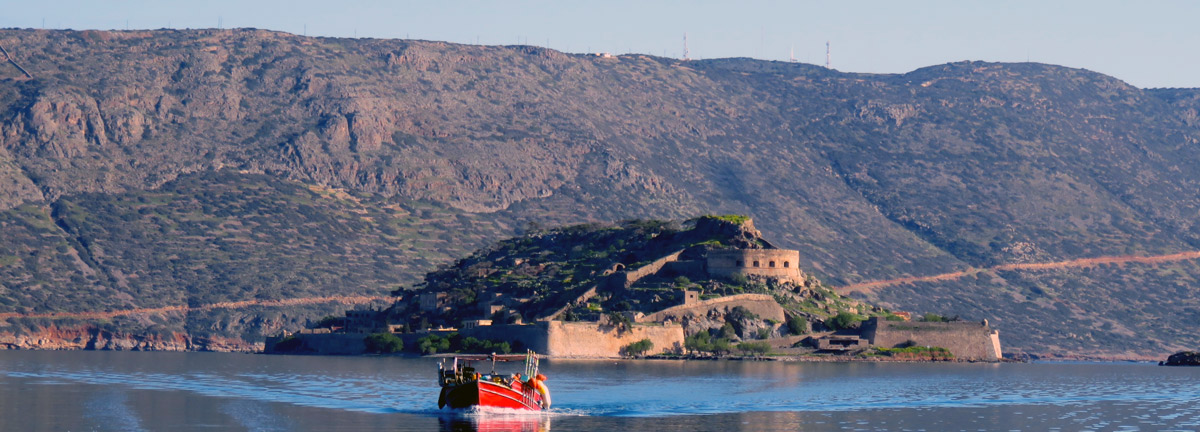
Eastern Crete possesses a markedly different rhythm from the island’s administrative north or resistant west. Here the mountains soften into plateaus, the coastline fragments into coves and promontories, and settlements historically looked outward toward Asia Minor, Cyprus and the Levant. Less densely urbanised than Heraklion’s plains and less politically central than Chania, eastern Crete has…

Details

South Crete

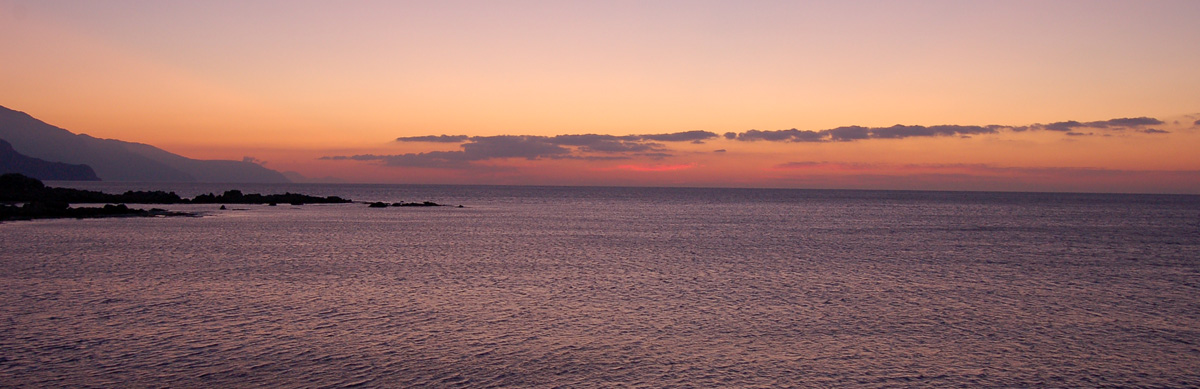
Southern Crete presents a landscape of dramatic contrasts. Sheer mountains descend abruptly toward the Libyan Sea; narrow plains appear suddenly between gorges; harbours are few, exposed and elemental. Unlike the northern coast, open to the Aegean and to sustained maritime exchange, the southern littoral has historically been more isolated — yet no less significant. It…

Details

Western Crete

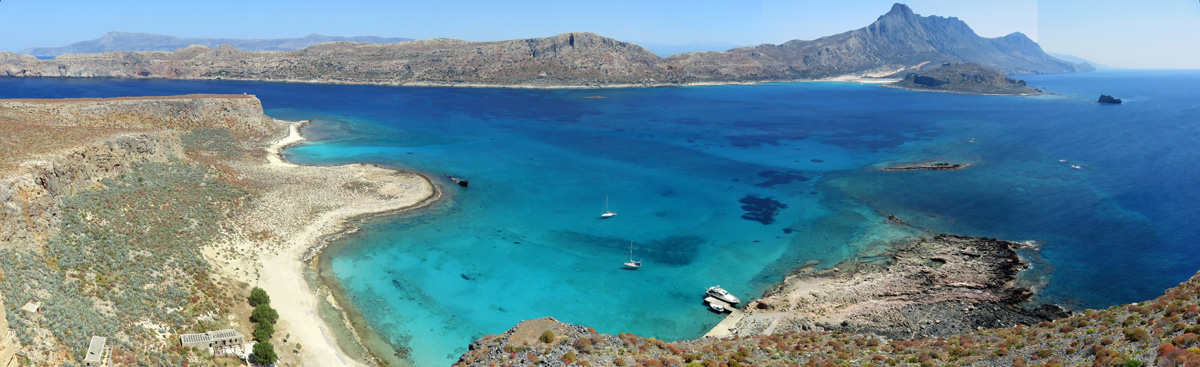
Western Crete, stretching from the great natural harbour of Souda westwards to Kissamos, Gramvousa and the Libyan-facing shores beyond, possesses a character distinct from the administrative gravity of Heraklion. Here, mountains press closer to the sea, plains narrow, and harbours become gateways not only to trade but to exile, resistance and maritime independence. Western Crete…

Details