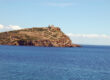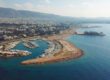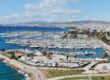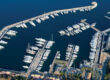



Along the eastern shore of the Saronic Gulf, between Cape Sounio and Piraeus, lies one of the most geographically favoured stretches of the Attic coastline: the coastal zone of Vari, Voula and Vouliagmeni, widely known today as the “Three Vs.” Here the mountain mass of Mount Hymettus meets the sea, creating a landscape of sheltered bays, mild climate and fertile slopes that have supported human settlement for thousands of years.
Archaeological evidence shows that the area has been inhabited since very early times. Along the coast of Voula, traces of settlement from the Neolithic period (around 3000 BC) have been discovered, indicating that the natural environment offered favourable conditions for early communities. Remains of an ancient harbour near Cape Aixone, at the northern end of the Bay of Voula, confirm that maritime activity formed an important part of life here from prehistoric times.
During classical antiquity the region was organised into two demes of ancient Athens. The modern areas of Voula and Vouliagmeni belonged to the deme of Halai Aixonides, while the area of present-day Vari corresponded to the deme of Anagyrous. These demes were integrated into the administrative and political system of the Athenian democracy and participated actively in the civic life of the city.
The name Halai Aixonides itself reveals much about the character of the landscape. The word “Halai” refers to salt pans, which existed in antiquity near the locations of the present-day EOT beaches in Voula. The second element, “Aixonides,” connects the area with the neighbouring deme of Aixone, corresponding roughly to modern Glyfada. The name therefore reflects a coastal economy linked with salt production and maritime activity.
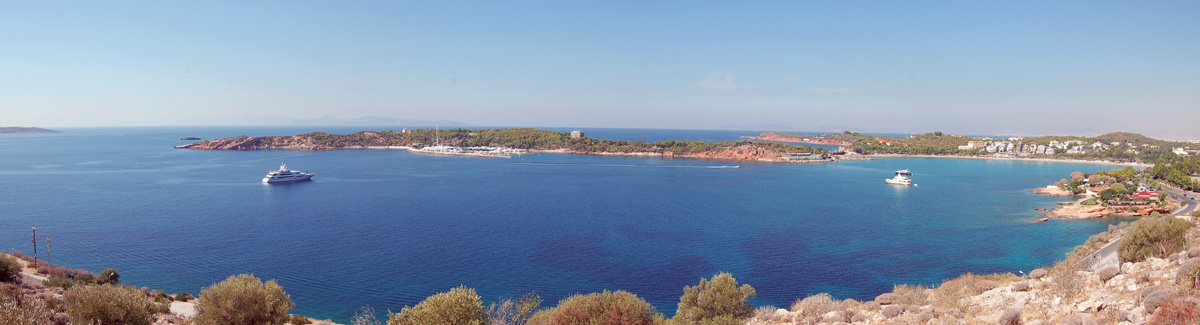
The most important sanctuary of the area stood at the Vouliagmeni peninsula (Laimos), where the celebrated Sanctuary of Apollo Zoster was located. This sanctuary was renowned throughout Attica. According to mythology, the Titaness Leto, pursued by the jealous Hera, arrived here while pregnant with the twins Apollo and Artemis. When labour pains began she is said to have loosened her belt (zoster), an event that gave the sanctuary its name. Ultimately, however, she gave birth on the island of Delos with the assistance of Athena.
The ancient marketplace of the deme is believed to have been located near the present-day traffic education park in Voula, close to the café “Notos.” Here the inhabitants likely gathered for trade and public assemblies, while the nearby harbour facilitated maritime connections with Piraeus and the islands of the Saronic Gulf.
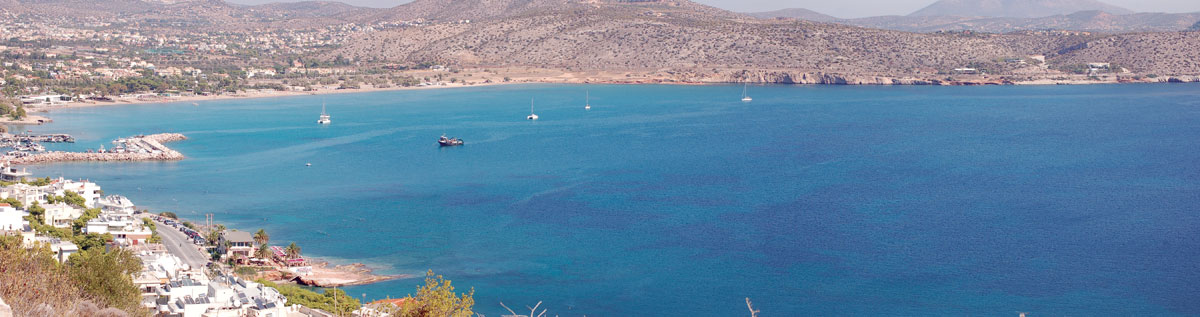
The area of modern Vari corresponded to the ancient deme of Anagyrous, whose name probably derives from the plant anagyris, a foul-smelling shrub that grew abundantly in the region. The plant was reportedly used by fishermen to stupefy octopus using its fumes, making them easier to catch. It may even be the origin of the Greek expression “flomose,” meaning to overwhelm someone with excessive talk.
Archaeological excavations in the Vari area have revealed traces of habitation from the 3rd millennium BC, while finds from the Mycenaean period include pottery, figurines and grinding tools. The Geometric period is represented by burial sites and grave goods that demonstrate the continued presence of organised communities.
The modern name Vari appears to have Arvanite origins. The root “Var” means “grave” or “tomb,” possibly referring to the numerous ancient burial monuments that existed in the area. When Arvanite populations settled in Attica during the medieval period, they may have given the area this name because of the many visible ancient tombs scattered across the landscape.
During the Byzantine and Ottoman periods, the region remained largely rural and sparsely populated, with agriculture and pastoral activity forming the basis of local life. However, its proximity to Athens and its attractive coastal environment would eventually transform its future.
From the 1960s onwards, particularly after the development of the coastal road linking Athens with Sounio, the area gradually evolved into a seaside resort region of Athens. Vouliagmeni became one of the most cosmopolitan seaside destinations of Attica, while Voula and Vari developed into modern residential and holiday communities.
Today the “Three Vs” form part of the celebrated Athenian Riviera, where ancient history, mythological heritage and modern coastal life meet along the shores of the Saronic Gulf.
Sights
Lake Vouliagmeni
Lake Vouliagmeni is one of the most remarkable natural attractions of Attica. Its waters maintain an almost constant temperature throughout the year and are fed by underground springs connected with the sea. The surrounding limestone cliffs and lush vegetation create a unique and peaceful landscape.
Sanctuary of Apollo Zoster
On the Vouliagmeni peninsula (Laimos) lie the remains of the ancient Sanctuary of Apollo Zoster. The sanctuary was one of the most important religious sites in southern Attica and is linked to the myth of Leto. Today the archaeological remains are located within the grounds of Astir Beach.
Cape Aixone and the Ancient Harbour of Voula
At the northern end of the Bay of Voula lies Cape Aixone, where remains of an ancient harbour have been discovered. This harbour served the deme of Halai Aixonides and connected the area with the maritime routes of Piraeus and the islands of the Saronic Gulf.
Lathouriza Hill (Vari)
Archaeological excavations on Lathouriza Hill have revealed important remains from the Archaic and Classical periods. The hill is believed to have been the centre of the ancient deme of Anagyrous. Finds include burial sites, pottery and traces of ancient habitation.
Flavours
Fresh Fish of the Athenian Riviera
The coastline of Vouliagmeni and Voula hosts some of the finest seafood tavernas in Attica. Fresh sea bream, sea bass, squid and octopus are among the most common dishes served in the seaside restaurants. Dining with a view over the Saronic Gulf is part of the experience.
Arvanite Cuisine of Vari
Vari preserves strong elements of the traditional Arvanite culinary culture. Dishes such as slow-roasted lamb, kokoretsi and savoury pies filled with greens or cheese can still be found in local tavernas. These flavours reflect the pastoral history of the region.
Seaside Meze of the Riviera
Along the coastal road many tavernas and ouzeris serve classic Mediterranean meze. Dishes such as dakos, fried courgettes, marinated octopus and various seafood plates are typically enjoyed with ouzo or a glass of Attic white wine.