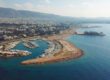


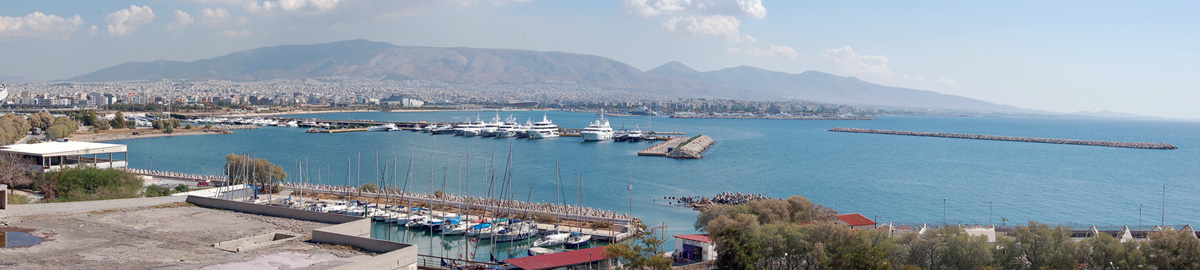
Phaleron, located on the eastern side of the Bay of Phaleron, served in antiquity as the original harbour of Athens, long before the development of the port of Piraeus. Its position within a relatively sheltered bay and its easy access to the Athenian plain made it the main maritime gateway of the city during the early historical period. The ancient deme of Phaleron extended roughly from the area of the modern Faliro Delta to the present-day Floisvos Marina.
The region has been inhabited since prehistoric times and appears to have functioned as a natural anchorage for ships already during the Mycenaean period. From this harbour vessels departed for the islands of the Saronic Gulf and the wider Aegean. Before the development of Piraeus in the 5th century BC, Phaleron effectively represented the maritime face of Athens.
According to ancient tradition, the settlement was founded by the local hero Phaleros, grandson of Erechtheus, the legendary king of Athens. Phaleros is also said to have been one of the Argonauts who accompanied Jason on the mythical Argonautic expedition during the 13th century BC. After returning from the voyage he is believed to have founded a colony in southern Italy, which he named Phaleron after his homeland.
The importance of Phaleron as a harbour declined during the time of Themistocles, when Athens transferred its main naval base to the better-protected natural harbours of Piraeus. From the 5th century BC onward Phaleron continued to function as a secondary harbour and coastal settlement, but it no longer held the strategic importance it once had.
During the Byzantine and medieval periods, the area remained sparsely populated and was used mainly for agriculture and fishing. Its modern development began in the 19th century AD, when the area became the first major seaside resort of Athens. Hotels, entertainment venues and promenades were constructed, and the district was connected with central Athens by railway and tram lines.
Today Palaio Faliro forms an important part of the Athenian Riviera and remains one of the most popular seaside promenades of the capital, preserving the historical memory of Athens’ earliest harbour.
Sights
Floisvos Marina
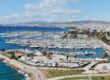
Floisvos Marina is one of the most modern marinas in Greece and hosts numerous luxury yachts. Its waterfront promenade features restaurants, cafés and shops overlooking the Saronic Gulf.
Park of Hellenic Naval Tradition
Next to the marina lies the Park of Hellenic Naval Tradition, where historic vessels such as the battleship G. Averof, the reconstructed trireme Olympias, and the traditional sailing vessel Evangelistria are displayed.
Floisvos Park and Seafront Promenade
The Floisvos Park and the adjacent coastal promenade form one of the most popular walking areas along the Athenian seafront, with green spaces, playgrounds and an open-air cinema.
Flavours
Fresh Fish of the Saronic Gulf
Seaside tavernas in the Phaleron area are known for their fresh seafood from the Saronic Gulf. Grilled sea bream, sea bass, squid and octopus are among the most common dishes.
Traditional Greek Meze
Local ouzeris and tavernas serve a variety of traditional Greek meze such as dakos, fried courgettes and seafood salads.
Seafront Cafés and Desserts
Along the promenade visitors can enjoy coffee, ice cream and traditional sweets while overlooking the sea.