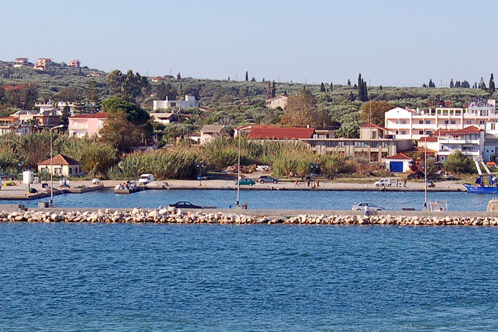


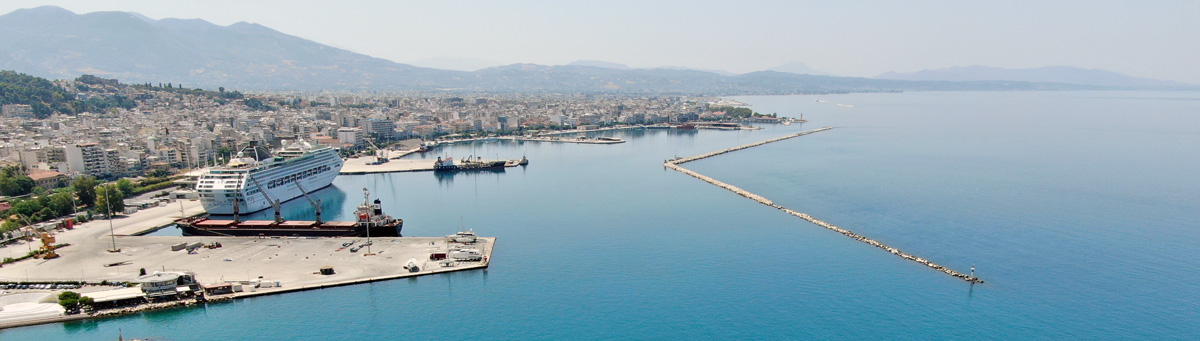
The Patraikos Gulf has long been one of the most important maritime gateways of western Greece, a region where the histories of the Peloponnese, Central Greece, and the Ionian Sea have continuously intertwined. Since antiquity, its waters have served as routes of trade, navigation, warfare, and cultural exchange. Along its shores grew significant ports and settlements, most notably Patra, Rio, and Mesologgi, each of which played a distinct role in the history of Greece.
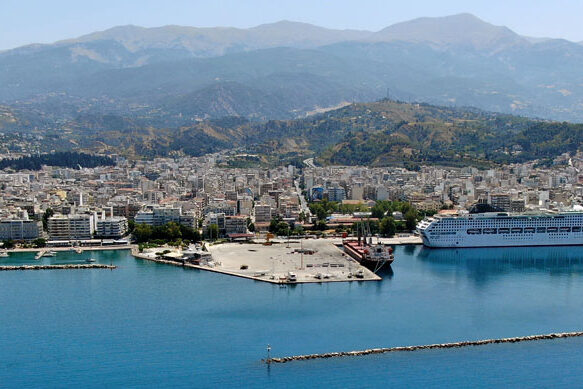
The region has been inhabited since Mycenaean times, while during the historical era Patra developed into one of the principal cities of the Achaean League. According to tradition, the city takes its name from the mythical founder Patreus, who united several earlier settlements of the area. Owing to its strategic position, Patra gradually evolved into a major commercial and maritime centre, particularly during the Roman period. The Romans established an important colony here, and the city flourished as a harbour linking Greece with Italy and the western Mediterranean. Today, the Roman odeon, sections of aqueducts, and other monuments still testify to the prosperity of that era. For centuries, Patra served as the “western gate” of Greece, a role it continues to hold today.
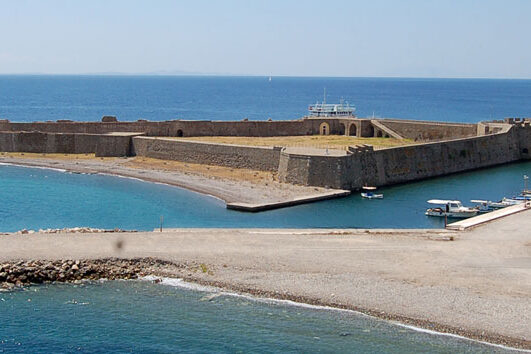
During the Byzantine era, the Patraikos Gulf retained its significance as a maritime corridor between east and west. Patra became an important ecclesiastical centre through the cult of Saint Andrew, the city’s patron saint, while the region experienced successive raids and occupations by Franks, Venetians, and Ottomans. The narrow passage of Rio acquired particular strategic importance, as it controls the entrance to the Corinthian Gulf. For this reason, powerful fortresses were established opposite Antirrio, creating what became known as the “Little Dardanelles” of Greece. The castles of Rio and Antirrio, especially during Ottoman times, supervised every vessel crossing the strait, collecting duties and securing military control over the area. The naval importance of this passage was immense, and many Venetian–Ottoman conflicts were decided in these waters.
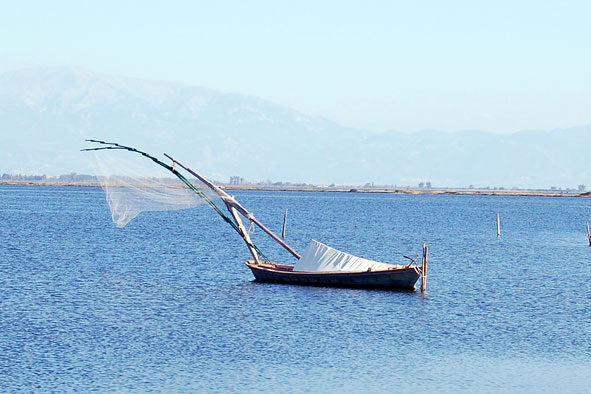
On the northern shores of the gulf, Mesologgi emerged amid lagoons and shallow waters as a settlement deeply connected to the sea. Its name is believed to derive from Italian words meaning “middle lake”, a reference to the unique lagoon landscape surrounding the town. Its inhabitants became skilled fishermen and sailors, and the town gained commercial importance during the final centuries of Ottoman rule. Mesologgi, however, would forever become associated with the Greek War of Independence. The sieges of the town, and especially the heroic Exodus of 1826, shocked all of Europe and transformed Mesologgi into an international symbol of freedom and sacrifice. The tragedy of the besieged defenders inspired philhellenes, poets, and artists throughout Europe, while Lord Byron himself spent his final days here. “Sacred Mesologgi” remains to this day a place of profound historic memory.
During the 19th and 20th centuries, the Patraikos Gulf continued to function as a major commercial and transport route. Patra became a wealthy export centre for currants, developing a cosmopolitan character, while its harbour remained one of Greece’s principal links with Europe. Today, the impressive Rio–Antirrio Bridge symbolises the modern connection between the Peloponnese and Central Greece, spanning waters once crossed by fleets, merchants, and travellers for centuries. Despite the passing of time, the Patraikos Gulf still preserves the character of a vibrant maritime crossroads where history is never far away.