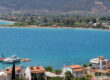


Panormos bay, from W
Ancient and Classical Roots
Panormos, a name that echoes across the Greek-speaking world wherever a safe harbor appears, claims its modest place in the southern reaches of the Gulf of Corinth and the slopes that look toward the sea. In Phocis, Panormos is a small inland-set village closely linked with the coastal hamlets and the old patterns of agriculture and sea trade. Its modern identity overlays a deeper history: ancient place-names, changing rulers and a local life shaped by land, sea and the narrow passes that connect them.
Roman and Byzantine Periods
Under Roman rule, the Gulf’s harbors continued to link local producers to wider markets. During the Byzantine centuries, coastal and near-coastal settlements such as Panormos were shaped by ecclesiastical networks and by defensive concerns: priests, monks and local magnates held sway in different eras, and smaller settlements were often dependent upon larger nearby towns for administration and markets.
Middle Ages to Ottoman Rule
The medieval era brought fragmentation and adaptation. After the fragmentation of Byzantine authority, local lordships, Latin rulers and later Ottoman administrators reworked land tenure and taxation. The village known today as Panormos underwent name changes over the centuries — a pattern common in rural Greece — reflecting administrative reforms, population movements and efforts to align new place-names with modern Greek identity in the 19th and 20th centuries.
Modern Era and Identity
In the modern era Panormos became administratively part of municipal units that collected several small villages into local networks. The community maintained traditional agriculture — olives, smallholdings and pastoralism — while its demographic profile shifted with urban migration in the 20th century and seasonal returns by city-based families. In some cases the old port or ‘Ormos’ settlements associated with Panormos were the focus of fishing and summer tourism, while the higher inland village remained quiet and centered on village life.
Sights
Erateini Seafront Village
Erateini is a quiet seaside village on the southern coast of Phocis, built amphitheatrically above the Corinthian Gulf. Its small harbour, pebble beach, and waterfront tavernas make it a pleasant stop along the coastal road.
Panormos of Phocis
Panormos lies just west of Erateini and forms a small natural bay. The name literally means “well-sheltered harbour,” reflecting the shape of the inlet. The village retains a peaceful character, with a small harbour, beach, and open views across the gulf toward the Peloponnese.
Galaxidi
A short distance away stands the historic maritime town of Galaxidi, known for its captains’ mansions, maritime museum, and two natural harbours. The town offers a vivid glimpse into the seafaring traditions of 18th- and 19th-century Greece.
Delphi
Further inland on the slopes of Mount Parnassus lies Delphi, one of the most important archaeological sites in Greece. The Sanctuary of Apollo and the famous Oracle once served as a spiritual centre of the ancient Greek world.
Mountain Villages of Phocis
The inland routes lead into the mountainous landscapes of Phocis, where small traditional villages stand among forested slopes and rugged hills. The contrast between sea and mountain is one of the defining features of this region.
Flavours
Fresh Fish from the Corinthian Gulf
Tavernas in Erateini and Panormos specialise in fresh fish and seafood from the Corinthian Gulf, usually grilled and served simply.
Octopus and Seafood Meze
Typical seaside dishes include grilled octopus, squid, and small seafood meze, perfect for relaxed meals by the water.
Phocis Olives and Olive Oil
The surrounding countryside produces excellent olives and olive oil, essential elements of local cuisine.
Traditional Roumeli Pies
The inland villages maintain a tradition of handmade pies, with thin pastry and fillings such as cheese, greens, or leeks.
Honey-based Desserts
Local cafés often serve walnut cake, spoon sweets, and desserts made with honey, commonly enjoyed with Greek coffee.