


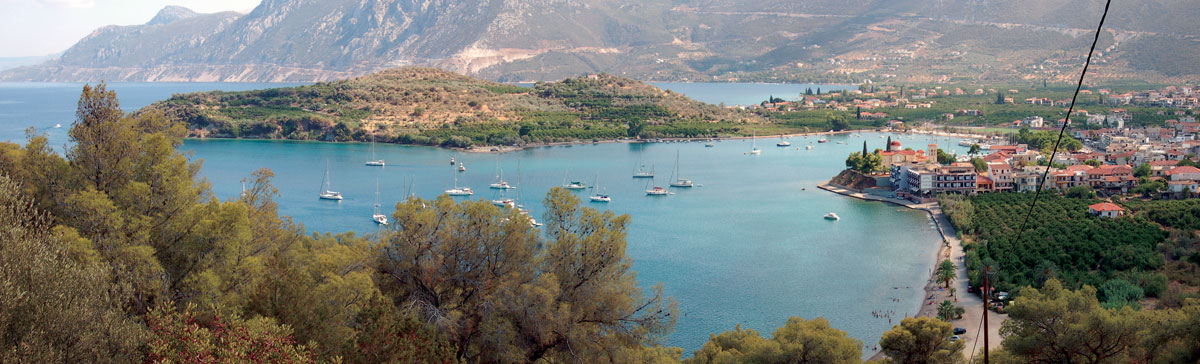
Epidaurus is a place where ancient healing traditions, theatre and modern Greek history coexist within a small geographical area. The present-day village of Palaia Epidavros, built around a sheltered bay on the eastern Argolid coast, lies close to the site of the ancient city, while a few kilometres to the north Nea Epidavros is linked with events of the Greek War of Independence.
Prehistoric and Mythological Period
The name Epidaurus has remained unchanged since antiquity and is traditionally associated with the hero Epidaurus, a legendary figure connected with the Argolid region. The area was inhabited from prehistoric times, while the organised city is believed to have been founded by Deiphontes and the Dorians around the 12th century BC.
The early traditions of the city also include the dramatic myth of Hyrnetho, daughter of the king of Argos and wife of Deiphontes. According to legend, her brothers abducted her from Epidaurus, leading to a tragic chase and death — a story illustrating how ancient Greeks linked local landscapes with heroic narratives and family conflicts.
Archaic and Classical Period
During the 1st millennium BC, Epidaurus developed into an important city-state of eastern Peloponnese. Its strategic location, protected by mountains inland but open to safe harbours in the Saronic Gulf, enabled it to establish strong connections with Argos, Corinth and Nafplio, as well as Aegina and Athens across the sea.
The city became particularly renowned for the Sanctuary of Asklepios, which evolved into the most important healing centre of the ancient Greek world. Pilgrims and patients arrived from across the Mediterranean, bringing offerings, wealth and prestige to the city.
Hellenistic and Roman Period
Within the sanctuary complex, the famous Ancient Theatre of Epidaurus was constructed in the 4th century BC, designed by the architect Polykleitos the Younger. Its remarkable acoustics and perfect proportions made it one of the great masterpieces of ancient Greek architecture.
During the Hellenistic and Roman periods the sanctuary remained a major centre of healing and pilgrimage, contributing to the prosperity of the wider Epidaurian region.
Byzantine and Later Period
After antiquity the importance of the city gradually declined, as happened in many ancient centres. Settlements moved to safer locations and the area retained mainly agricultural and maritime activity.
Modern Greek History
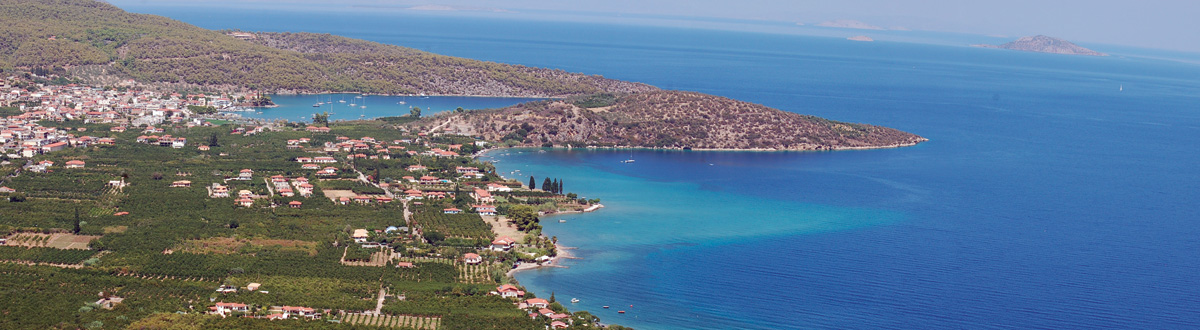
Nea Epidavros is closely associated with a defining moment of modern Greek history. Here, in 1821-1822, the First National Assembly of the Greeks convened, proclaiming independence and establishing the first constitution of the new state.
Today the Epidaurus region combines world-class archaeological monuments, picturesque coastal villages and a vibrant cultural tradition.
Sights
Ancient Theatre of Epidaurus
The most famous ancient theatre in the world, built in the 4th century BC, renowned for its exceptional acoustics and perfect symmetry. Each summer it hosts performances during the Epidaurus Festival.
Sanctuary of Asklepios
The largest healing sanctuary of antiquity, where visitors sought cures through ritual practices, dreams and early medical treatment.
Little Theatre of Ancient Epidaurus
Located near Palaia Epidavros, this theatre served the coastal city and today hosts intimate musical and theatrical performances.
Nisi Peninsula
The site of the ancient city of Epidaurus. Remains of ancient fortifications and harbour structures survive here, while underwater traces of the ancient port can still be seen.
Nea Epidavros – First National Assembly site
The village preserves the location where the first national assembly of revolutionary Greece took place, a site of great historical importance for the birth of the Greek state.
Flavours
Fresh fish and seafood
Palaia Epidavros is known for its seaside tavernas serving fresh fish, squid and prawns from the Saronic Gulf.
Argolic olive oil
The Argolid region produces excellent extra virgin olive oil, a central element of the local cuisine.
Peloponnesian cheeses
Restaurants often serve feta, mizithra and goat cheeses, typical of the rural Peloponnesian diet.
Traditional pies
Homemade pies with seasonal greens or cheese are a staple of local cooking.

