


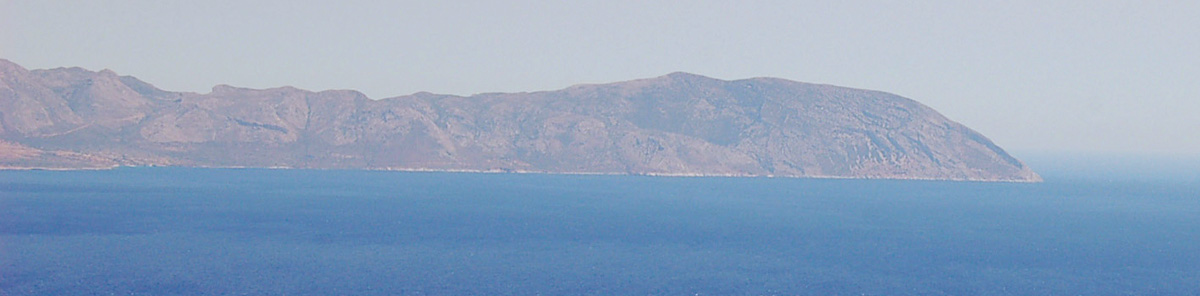
Cape Maleas
Cape Maleas, the southeastern tip of the Peloponnese, is one of the most iconic and historically challenging points in Greek navigation. Known since antiquity as Maleas, the cape has long been associated with strong winds, powerful currents, and unpredictable conditions, making it a critical point of passage for vessels navigating the region.
Its reputation as a dangerous headland is well documented in ancient sources. Mariners often sought to avoid rounding it whenever possible, choosing alternative routes or even overland transport. The well-known expression that one who “rounds Maleas forgets his home” reflects the difficulty and uncertainty of the passage.
During the Byzantine and later periods, Cape Maleas remained a key reference point in maritime routes linking the eastern Mediterranean with mainland Greece. The need for safe shelter along this exposed coastline led to the development of nearby harbours such as Monemvasia and Gerakas, which served as waiting points for favourable weather conditions.
In modern times, despite advances in navigation, the importance of Cape Maleas has not diminished. It remains a major waypoint for vessels moving between the Aegean Sea and the southern Peloponnese, still requiring careful planning and respect.
Today, Cape Maleas retains its enduring reputation as one of the most demanding passages in Greek waters, while also offering a landscape of striking natural beauty, where rugged terrain meets the open sea in a setting deeply tied to the history of navigation.
Sights
Cape Maleas Headland
The southeastern extremity of the Peloponnese, characterised by steep, exposed coastlines facing the open Aegean Sea.
Maleas Lighthouse
An important navigational aid marking the cape, highlighting the significance and difficulty of the passage.
Coastal Landscape
The surrounding area features rugged terrain, rocky formations, and dramatic contrasts between land and sea.


