

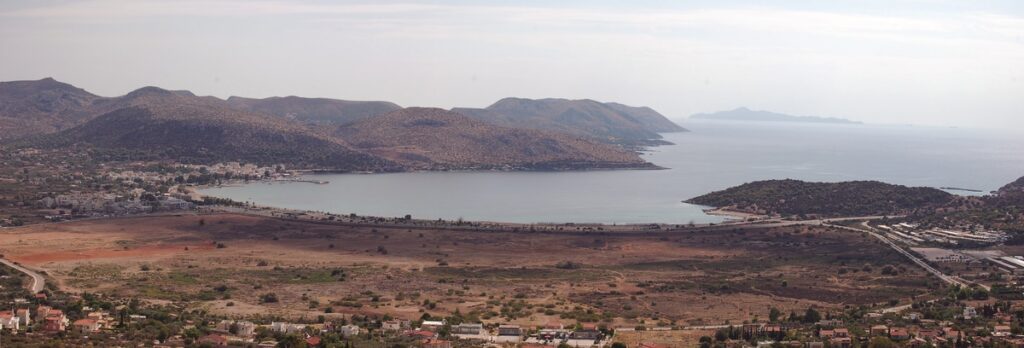
The coastal town of Anavyssos, located in the innermost part of a wide bay in southeastern Attica, lies a short distance northwest of Cape Sounio and forms part of the historic coastal region of Lavreotiki. In antiquity the area was the site of the Attic deme of Anaphlystos, one of the coastal communities belonging to the political system of ancient Athens. According to mythology, the settlement was founded by the hero Anaphlystos of Troezen, linking the region with the mythological traditions shared between Attica and the northeastern Peloponnese.
The name Anaphlystos is believed to derive from the ancient Greek verb anaphlyo, meaning “to gush forth” or “to bubble up,” like boiling water. Over the centuries the name gradually evolved through linguistic changes — Anaphlystos, Anavlystos, Anavlyssos — eventually becoming the modern Anavyssos. This etymology may also relate to the natural springs or salt pans that existed in the area and were known from antiquity.
The deme of Anaphlystos appears to have been prosperous and well organised, as indicated by the archaeological remains discovered in the region. The surrounding landscape contained mines connected with the wider mining district of Lavrion, while salt pans used for the production of salt formed another important economic resource. The presence of both a harbour and a fortification suggests that the settlement held strategic and maritime importance, controlling part of the coastal route between Sounio and the northern shores of Attica.
Important archaeological discoveries have been made near the small chapel of Agios Georgios, about one kilometre northeast of Palaia Fokaia. Excavations have revealed remains from the Geometric Period (9th–7th century BC), demonstrating that an organised settlement existed here from early historical times. Many of the finds, including ceramics and everyday objects, are now exhibited in the Archaeological Museum of Brauron. In the same area, Christian tombs dating to the 5th century AD have also been discovered, containing inscriptions and grave offerings that show the region remained inhabited during the early Byzantine era.
During the Middle Ages and the period of Ottoman rule, information about the area becomes scarce. The region appears to have experienced significant decline both economically and demographically, with only a small number of inhabitants who were often not permanent residents. The earliest census data following the establishment of the modern Greek state records only 54 inhabitants in AD 1835, illustrating how sparsely populated the area had become.
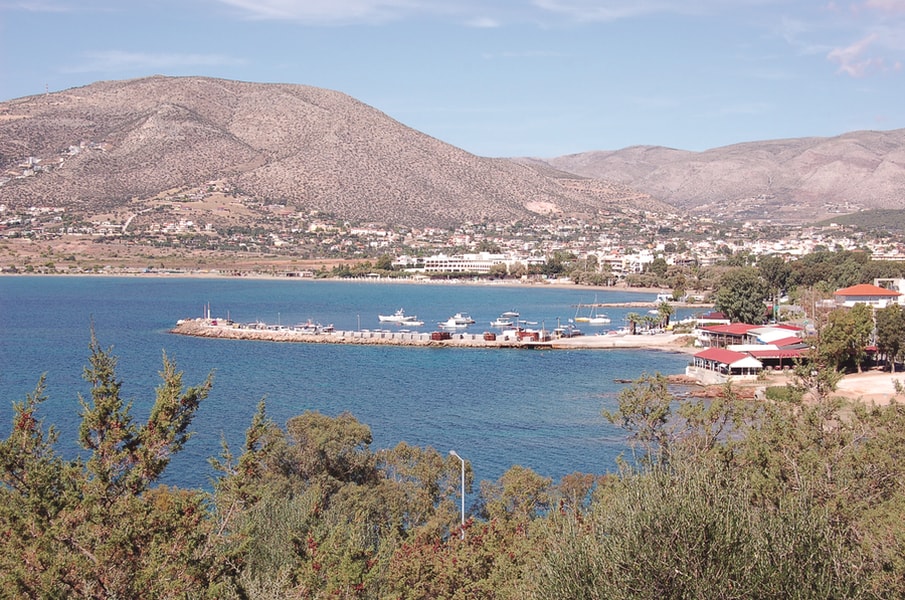
A dramatic transformation took place after the Asia Minor Catastrophe of 1922. From AD 1924, refugees from Asia Minor settled in the region, mainly from Aretsou near Constantinople and Enehil in Cappadocia. Refugees originating from Phocaea founded the village of Palaia Fokaia at the head of the bay, where the small fishing harbour stands today. At the same time, land was granted to Sarakatsani pastoral families, whose presence contributed to the economic revival of the area. Within a short period the population increased significantly, and the 1924 census recorded more than 1,000 inhabitants.
Until the early 1960s, population growth remained relatively modest. However, the construction of the coastal road leading to Cape Sounio brought major changes to the region. Improved access from Athens encouraged tourism and created new economic opportunities. A second wave of internal migration brought settlers from Thessaly, Epirus and Macedonia, further strengthening the local population.
From the 1980s onwards, Anavyssos began attracting families from other parts of Greece, particularly from the island of Lesvos and the villages of the Gulf of Gera, as well as many Athenians who purchased land to build holiday homes near the sea. Gradually the area developed into a popular seaside destination of Attica, and by the AD 2001 census the population had reached 7,189 inhabitants.
Today Anavyssos is a lively coastal town that combines the ancient heritage of Lavreotiki, the refugee traditions of Asia Minor, and the modern seaside character of the Attic Riviera.
Sights & Flavours
Anavyssos Beach
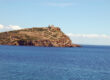
The wide sandy beach of Anavyssos is one of the most popular along the southeastern coast of Attica. Its shallow waters and open bay make it ideal for swimming, windsurfing and other water sports. From the shore one can clearly see Cape Sounio to the south and the low hills of the Lavreotiki peninsula.
Palaia Fokaia and the Fishing Harbour
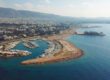
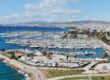
Founded by refugees from Asia Minor, Palaia Fokaia retains the atmosphere of a small seaside settlement. Its sheltered fishing harbour hosts colourful fishing boats and small pleasure craft. Along the waterfront tavernas visitors can enjoy fresh fish while overlooking the quiet bay.
Archaeological Remains of Ancient Anaphlystos
Scattered across the surrounding hills lie traces of the ancient deme of Anaphlystos, once an important coastal community of classical Attica. Archaeological discoveries in the area include settlement remains, burial sites and evidence of early habitation dating back to the Geometric Period (9th–7th century BC). Many of the most important finds are now displayed in the Archaeological Museum of Brauron.
Fresh Fish and Seafood of the Saronic Gulf
The coastal tavernas of Anavyssos are well known for their fresh seafood from the Saronic Gulf. Grilled octopus, squid, prawns and freshly caught sea bream are among the most popular dishes served along the shore. These are best enjoyed with a glass of ouzo or chilled white wine while looking out over the sea.
Asia Minor Culinary Traditions of Palaia Fokaia
The refugee heritage of the area has preserved strong Asia Minor culinary influences. Traditional dishes such as stuffed squid, rich fish soups and aromatic seafood meze are still prepared in family-run tavernas. The cuisine reflects a blend of Aegean maritime traditions and the flavours of the eastern Mediterranean.