

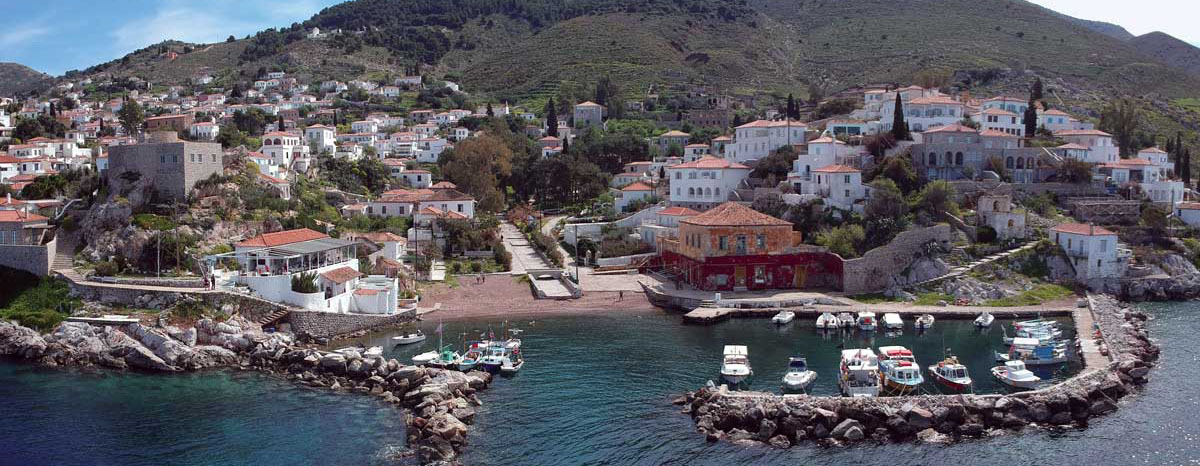
Κamini fishing harbour
The name Hydra derives from the ancient name Hydréa, which is linked to the Greek word “hydor” (water), suggesting the existence of numerous springs and wells on the island in antiquity. Indeed, until the early 20th century travellers reported many wells used by the inhabitants. Today, however, the island’s water supply is largely delivered by water tanker ships, illustrating how conditions have changed over time.
Archaeological finds indicate that the island has been inhabited since prehistoric times. During the Archaic period (9th–6th century BC) Samians in exile settled on the island, though they soon departed for Crete where they founded the city of Kydonia. Later, Hydra was occasionally settled by people from Troizina and other parts of the Peloponnese. Unlike most Greek places, however, Hydra’s greatest period of prosperity did not occur in antiquity, but much later during the Ottoman era.
In the mid 15th century AD, the then green island—covered with pine trees—was colonised by Arvanite settlers, as part of a broader effort to strengthen the population of the Peloponnese. When the Ottomans conquered the region, they largely ignored the small island, allowing its inhabitants considerable freedom to pursue agriculture, fishing and especially maritime trade. By the 17th century Hydra possessed an impressive fleet of about 120 merchant vessels, and Hydriot shipbuilders began constructing their own ships.
Hydra accumulated considerable wealth over the following decades, but its greatest prosperity came during the Napoleonic Wars, when Hydriot captains traded extensively throughout war-torn Europe, often breaking the blockades imposed by the great powers. By the early 19th century, just before the Greek War of Independence (1821), Hydra had around 40,000 inhabitants and was among the wealthiest maritime communities in the Mediterranean.
Despite its prosperity, the island eventually joined the revolution. At first the powerful families of Kountouriotis and Miaoulis hesitated to revolt, but a simple captain, Antonis Oikonomou, succeeded in rallying the population. On 14 April 1821, Hydra joined the uprising. Its fleet played a decisive role in many naval operations during the struggle for independence. After the war, however, political and financial disputes contributed to internal conflicts within the newly established Greek state.
Today Hydra retains the atmosphere of a historic maritime island. The grand mansions of the old ship-owning families still overlook the harbour, and the entire settlement has been designated a preserved traditional town. In order to maintain this unique character, the use of wheeled vehicles is largely prohibited, with only a few municipal exceptions.
Sightseeing
Hydra Harbour
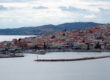
The natural harbour forms the centre of the island and is surrounded by impressive stone mansions of the 18th and 19th centuries built by wealthy shipowners.
Hydra Historical Archive and Museum
Located near the harbour in a historic mansion, the museum presents the maritime and revolutionary history of the island, including ship models, weapons and historic documents.
Lazaros Kountouriotis Mansion
One of the most impressive mansions on Hydra, built in the late 18th century. Today it operates as a branch of the National Historical Museum.
Monastery of Prophet Elias
Situated about 500 metres above Hydra town, the monastery offers remarkable views across the island and the Argolic Gulf.
Flavours
Hydra Almond Sweets (Amygdalota)
The island’s most famous sweet, made from ground almonds and sugar, often flavoured with rose or orange blossom water.
Fresh Fish and Seafood
Hydra’s long maritime tradition is reflected in its excellent seafood cuisine, with grilled octopus, calamari and fresh fish commonly served in the harbour tavernas.
Local Desserts and Ice Cream
The harbour cafés and pastry shops are known for their traditional sweets and handmade ice creams, perfect after exploring the island’s narrow streets.