

The town of Elefsina, situated on the fertile Thriasian Plain, was one of the most important religious centres of the ancient Greek world. Along with Athens, Olympia, Delphi and Delos, it was considered one of the five sacred cities of ancient Greece. Here flourished the worship of Demeter and her daughter Persephone, deities closely associated with agriculture, fertility and the growth of crops, particularly grain.
The city was home to the famous Sanctuary of Demeter, where the celebrated Eleusinian Mysteries were held. These were annual religious ceremonies and initiation rites dedicated to Demeter and Persephone, regarded as the most sacred and revered rituals of ancient Greece. Participation was open to people of all ages, genders and social classes, excluding only those who did not speak Greek or who had committed serious crimes. The rites themselves remain largely unknown, as initiates were sworn to maintain absolute secrecy.
The sanctuary of Elefsina probably existed already during the Mycenaean period (1600–1100 BC), indicating a long continuity of worship at the site. The name of the city is linked to ancient tradition. According to one version its earliest name was Saisaria, but the mythical king Celeus, considered the first hierophant of the Mysteries, named the city Eleusis in honour of the hero Eleusis. Another interpretation derives the name from the Greek verb eleusomai (“to come”), meaning “the place of arrival”, possibly referring to the arrival of pilgrims who came to attend the Mysteries.
The end of ancient Elefsina coincided with the abolition of the Eleusinian Mysteries in the late 4th century AD. According to tradition the last hierophant, Nestorios, foretold their end. Archaeological evidence suggests that the sanctuary was destroyed in AD 395, when the Goths of Alaric invaded the region.
In the following centuries the city entered the Christian era, but suffered repeated destruction from pirate raids beginning in the 7th century AD. The area gradually declined as inhabitants moved inland for safety. Attica fell permanently under Ottoman rule in 1458, and Elefsina remained a small settlement until modern times.
After the Greek War of Independence in 1821, the town gradually began to grow again. By the mid-19th century its harbour served as an outlet for agricultural and livestock products from the Thriasian Plain toward Athens and Corinth. In the late 19th and early 20th centuries, Elefsina developed into an important industrial centre, with large factories shaping the city’s economic life. Many of these industries closed toward the end of the 20th century, leaving behind large industrial complexes that still define the modern landscape of the town.
Sights
Elefsina Archaeological Site
One of the most important archaeological sites in Greece, containing the Sanctuary of Demeter and the Telesterion, the hall where the Eleusinian Mysteries were performed.
The Sacred Way
The ancient Sacred Way connected Athens with Elefsina. Each year the great procession of initiates travelled along this road to reach the sanctuary.
Industrial Heritage of Elefsina
Former factories such as Elaourgiki, Votrys and Kronos represent important landmarks of the town’s industrial past and form a distinctive urban landscape.
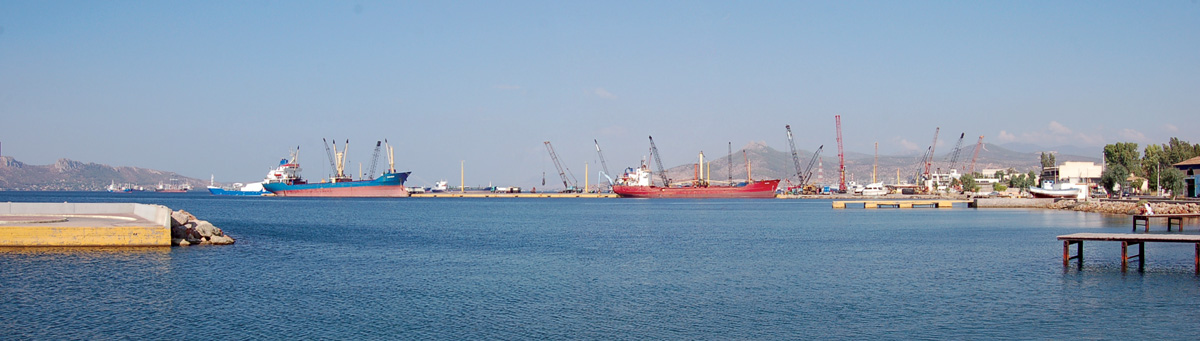
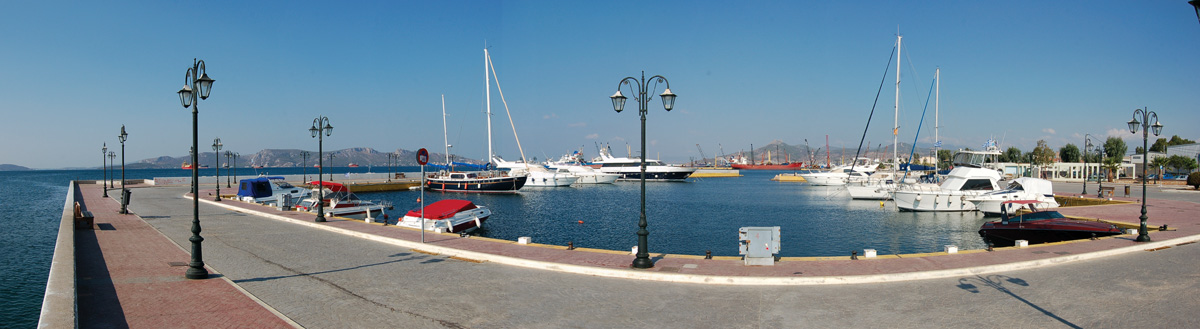
Elefsina Harbour and Waterfront
The waterfront preserves the atmosphere of an old commercial harbour, once used for the transport of agricultural goods from the Thriasian Plain.
Flavours
Traditional Taverns of Thriasio
Local taverns are known for authentic Attican cuisine, including grilled meats and traditional meze dishes.
Wines of Attica
Western Attica has a long winemaking tradition. A glass of Savatiano or retsina accompanies local dishes perfectly.
Seafood from the Saronic Gulf
Despite its industrial past, taverns near the harbour still serve fresh fish and seafood from the Saronic Gulf.