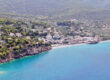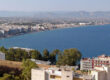


View of a small cove in Perachora
Nestled in the northwestern corner of the Corinthian Gulf, the Perachora Peninsula presents a unique blend of natural beauty and rich history. Its rugged cliffs, fertile plains, and serene coastline have attracted human settlement since antiquity, leaving traces that tell stories of religious devotion, strategic significance, and maritime culture.
Ancient Period
The history of Perachora begins in the shadow of ancient Corinth, one of Greece’s most powerful city-states. Archaeological evidence suggests that the peninsula was inhabited as early as the Mycenaean period (c. 1600–1100 BCE). Its proximity to the isthmus made it a strategic lookout for trade routes connecting the Aegean and the Ionian seas.
One of Perachora’s most remarkable ancient sites is the sanctuary of Hera Limenia, dedicated to the goddess Hera, protector of sailors and maritime ventures. The sanctuary, perched on the peninsula’s western tip, functioned as a vital religious center from the Archaic period (8th–6th century BCE) through the Roman era. Pilgrims and merchants alike would stop here to pay homage before embarking on voyages, making the site both spiritually and economically significant.
Classical and Hellenistic Era
During the Classical period, the peninsula remained under Corinthian influence. Its fertile lands supported agriculture, producing grains, olives, and grapes, which were essential for local consumption and export. The strategic position of Perachora also allowed Corinth to monitor maritime traffic along the northern Corinthian Gulf.
The Hellenistic period (323–31 BCE) brought changes in governance and culture, reflecting the wider shifts of the Greek world following Alexander the Great’s conquests. The sanctuary of Hera continued to flourish, and small settlements on the peninsula expanded, indicating a growing population and economic diversification. Coastal trade intensified, and the proximity to Corinth made Perachora an important link in regional networks.
Roman Period
With the Roman conquest of Greece in the 2nd century BCE, Perachora became part of the Roman province of Achaea. The peninsula retained its agricultural significance, but the Roman era left few monumental traces compared to Corinth. Local farms and villas dotted the landscape, and the sanctuary of Hera likely continued to attract worshippers, though Roman religious practices began to blend with the existing Greek traditions.
Byzantine Era
The fall of the Western Roman Empire and the rise of Byzantium brought new dimensions to Perachora’s history. Christianity gradually replaced pagan worship, yet traces of the ancient sanctuary persisted for centuries. Small monastic communities may have been established, drawn by the peninsula’s seclusion and scenic beauty. The area’s rugged terrain made it a natural refuge during periods of instability, particularly in the early medieval centuries when piracy and invasions threatened coastal settlements.
Medieval Period
During the Frankish and later Venetian domination (13th–17th centuries), Perachora experienced relative obscurity. The peninsula remained sparsely populated, primarily by farming families and shepherds. Coastal defense systems were limited, but the rugged cliffs offered natural protection. Venetian influence in the nearby Gulf of Corinth brought new trade routes and occasional naval activity, but Perachora itself remained on the periphery of these broader geopolitical currents.
Modern Era
In the 19th and 20th centuries, Perachora remained largely rural, with agriculture as the mainstay of its economy. Olives, citrus fruits, and vineyards continued to define the landscape. The peninsula gained attention in the 20th century from archaeologists exploring its ancient sanctuary and from nature enthusiasts drawn to its coastline and pine forests.
Today, Perachora combines historical depth with natural splendor. Visitors can explore the sanctuary of Hera Limenia, walk the trails along cliffs and pine forests, and enjoy views of the Corinthian Gulf. Small villages retain a traditional character, offering insight into centuries-old ways of life. The peninsula’s layered history—from Mycenaean settlers to Roman farmers, Byzantine monks, and modern residents—makes it a captivating destination for those interested in both culture and nature.
Sights
Heraion of Perachora
At the far end of the peninsula stands the ancient Sanctuary of Hera, one of the most important shrines dedicated to the goddess in Greece. The remains of the temple, stoas, and auxiliary buildings lie beside the sea, creating a striking landscape where archaeology and nature meet.
Lake Vouliagmeni (Perachora Lagoon)
This picturesque lagoon communicates with the Corinthian Gulf through a narrow channel and is surrounded by low hills. Its calm waters make it ideal for swimming and relaxation, while several taverns around the shore offer pleasant seaside dining.
Melagavi Lighthouse
At the rugged western tip of the peninsula stands Melagavi Lighthouse, one of the most recognisable landmarks of the area. The surrounding cliffs offer sweeping views across the Corinthian Gulf and are especially famous for their sunsets.
Village of Perachora
The village of Perachora lies on the slopes of the Geraneia Mountains, overlooking the gulf. Narrow streets, small squares, and traditional houses preserve the atmosphere of a rural Corinthian community.
Beaches of the Peninsula
Numerous small coves and quiet beaches surround the peninsula. Many remain relatively unspoilt, offering clear waters and a more peaceful setting than the busier resort areas nearby.
Flavours
Seafood Meze
Many small seaside taverns specialise in meze, such as grilled octopus, marinated anchovies, fried prawns, and seasonal salads. These dishes are traditionally enjoyed with a glass of ouzo or tsipouro.
Traditional Corinthian Cooking
Inland taverns offer classic Greek dishes including roasted lamb, slow-cooked stews, stuffed vegetables, and homemade pies. Most recipes rely on excellent local olive oil and fresh produce.
Local Sweets
Meals are often completed with traditional desserts such as syrup-soaked pastries, walnut cake, or spoon sweets. Many sweets include honey, nuts, or the famous Corinthian currants.