πολύαιγος

Polýaigos

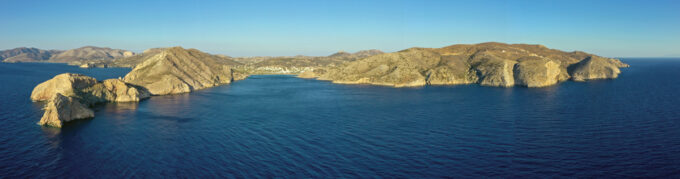
The island of Polýaigos is used as a pasture for many centuries now and it is from that fact that its name comes from. Polýaigos, in greek, means many goats. It is the largest uninhabited island of the Aegean (officially recorded) with only 2 inhabitants, Mr. Pétros and Ms Elefthería, a farming couple. A very…

milos klima

Milos

Milos is a unique island. Its name comes from the ancient word “vílos” meaning sheep, which later became “mílos”. However, some sources say, the island was named after Milos, the head of a royal family who was sent by the goddess Aphrodite to become the first inhabitant of the island. Geologically, Milos is almost an…

Sifnos

The island Sifnos took its name from the son of the Attican hero Sounio and the first inhabitant of the island. According to another version, the word Sifnos comes from the ancient greek word «sifnos», which mean empty / hollow (most likely due to its mines and quarries). The Latin Pliny said that a long…

Sérifos

The name “Sérifos” comes from the ancient Greek word “stérifos”, meaning means “sterile” (other connotations are “deprived”, “I do not have” conceptually leading to the meaning “infertile”). The ancient Greeks called the island like this because it was very dry. The first inhabitants of the island were the Aeolians from Thesalía in the 8th century…

Ándros

According to mythology, the island was named after Ándro, son of Ánios, who was a son to god Apollo. However, there is another theory, supported by the ancient Diódoros of Sicily, that the island was named after the general Ándro of King of Crete Radámanthy. Ándros was also known in antiquity as Ydroúsa, Lasía, Nonagría…